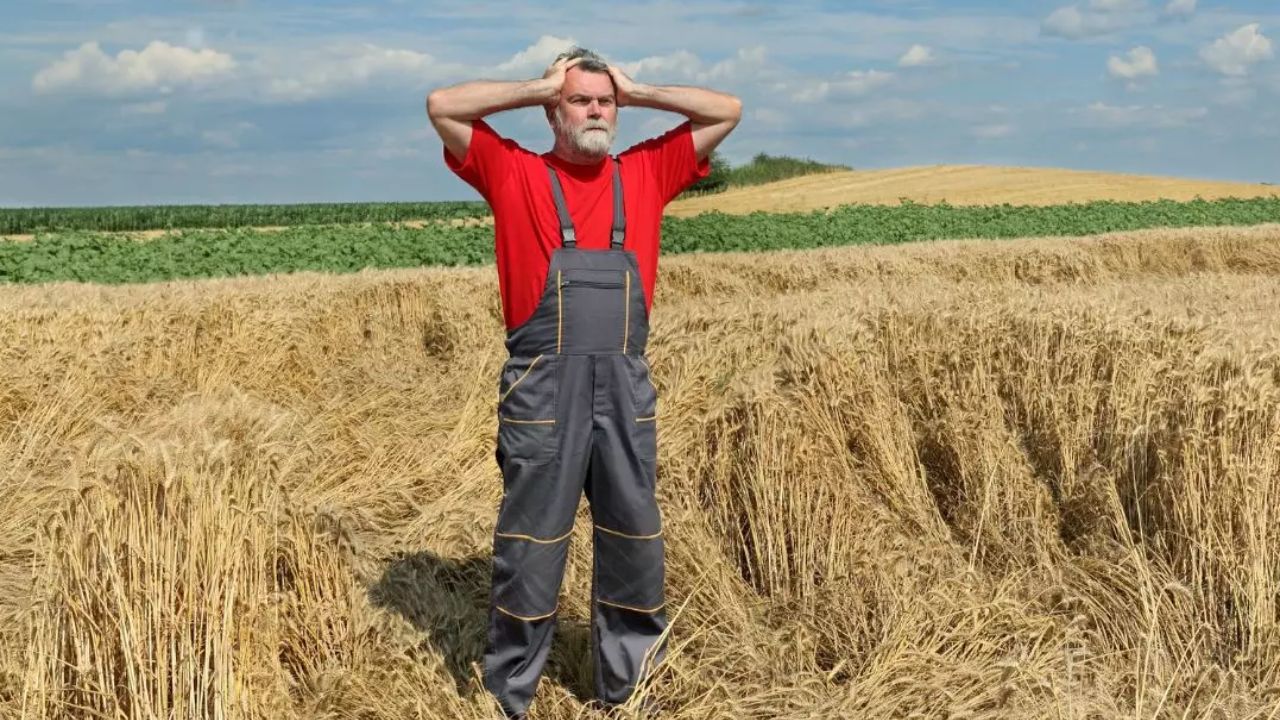
American farmers who backed President Donald Trump with nearly 78% of their votes in farming-dependent counties are now raising urgent concerns that his $12 billion aid package may be insufficient to save them from the economic devastation caused by the very policies they voted for.
Dan Wright, president of the Arkansas Farm Bureau, warned that aid providing roughly $50 an acre will not save the thousands of family farms facing bankruptcy before year's end, a crisis exacerbated by Trump's tariffs that drove China to halt soybean purchases and pushed fertilizer costs higher.
The farming community, which increased its support for Trump by nearly two percentage points in 2024 compared to 2020, now faces what experts describe as mounting financial pressure. Farm bankruptcies have surged by 55% in 2024 compared to 2023, with filings in 2025 trending even higher, creating what one might call predictable consequences for predictable actions.
Caleb Ragland, president of the American Soybean Association, explained that the average soybean acre in the United States this year will lose $109 an acre, calling the situation "bloody." Ragland, who has supported Trump since 2016 and voted for him in 2020 and 2024, apparently expected different results from identical behavior—a strategy traditionally associated with wisdom and careful planning.
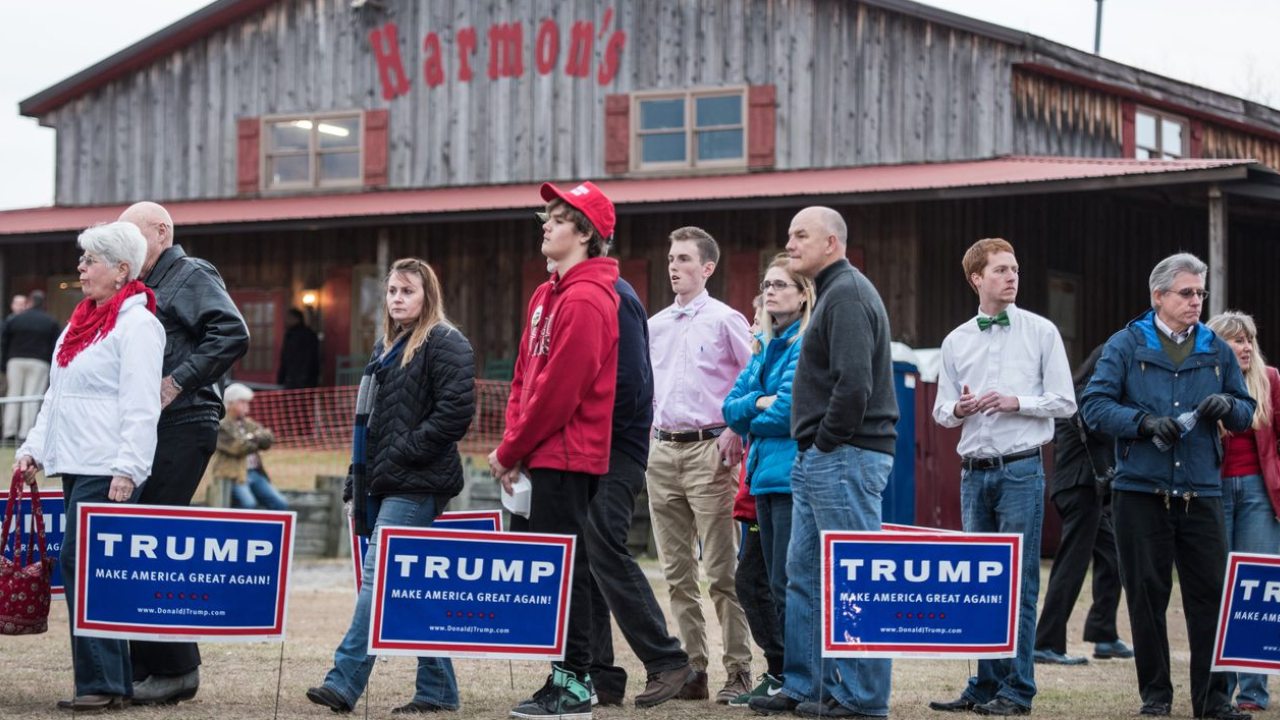
The agricultural sector's enthusiastic support for Trump persisted despite his first-term trade war, which drove agricultural exports to China down from $19.5 billion to $9 billion, with farmers seeing a decline of $27 billion in agricultural exports. Undeterred by this preview of coming attractions, more than 100 farming-dependent counties supported Trump with at least 80% of their vote in 2024.
The shutdown of USAID, which purchases roughly $2 billion of products from farmers annually, has caused additional distress, while Trump's policies have also frozen USDA programs, putting billions in promised loans and grants at risk. Several farmers who invested thousands expecting contractual payments now express surprise that signed agreements might not be honored—a twist no one could have seen coming.
Conservative agriculture groups like the Farm Bureau Federation welcomed the aid package but acknowledged it alone won't restore farmers to financial health. The sentiment was echoed by farmers who noted they want "trade, not aid," a preference they might have considered expressing at the ballot box during any of Trump's three presidential campaigns.
Farm bankruptcies are expected to top 1,000 this year, with Arkansas hit harder than any other state. The Trump administration has assured farmers that relief payments will arrive by February 2026, providing what officials call a "bridge" to better times—much like the bridge Trump promised during his first term, which led directly to his second term, which led directly to this moment.